By Wojciech Nowak D.O., PhD. FACC, FSCAI,
Interventional Cardiology and Vascular Medicine
Every Fall, in the month of September- the Peripheral Artery Disease (PAD) Awareness Month, multiple events occur to rejuvenate the need for education and prevention of PAD. Being a less-recognized sibling of the heart disease, PAD often lurks in the darkness of ignorance only to pounce on the unsuspecting victim while raising havoc, living up to its name: “The Silent Amputator.” To underscore the gruesome character of this villain, I chose to expose its ways now- let it serve as a Halloween Story: fitting for the month of November, remembered the entire year long!
Similarly to the disease of the heart and brain arteries, peripheral arterial disease leads to the decrease, or frank cessation, of blood flow due to accumulation of cholesterol (and other substances forming the atherosclerotic plaque) within the arteries. In PAD, affected arteries are no longer able to deliver enough blood flow to the legs, often resulting in symptoms of claudication. Claudication, the initial stage of PAD and a medical term for pain, fatigue, or cramping in the buttock, thigh, calf or foot, brought on by exertion and relieved rather quickly by rest, is a classic presentation. Unfortunately, this bad character is a master of disguise: PAD is most often silent, unrecognized by the Patient and their Doctor, alike. It sits still, concealed, it plans its next move!
Determined to cause significant harm, on occasion, PAD will skip the nuisance of leading to mild discomfort while walking just to show up in full-force resulting in significant leg pain at rest, progressing to skin ulcerations that refuse to heal. Preventing sufficient blood flow to the ulcer site, PAD sets stage for skin infection, and in some unfortunate cases inevitably leads to amputation— the Silent Amputator at work!
To cast a spell on this character is to know the company it keeps. PAD is significantly more common in patients with the following:
History of tobacco use
Sedentary life-style (lack of routine exercise)
Exposure to significant stress and following unhealthy diet
Obesity
Medical conditions to include:
Diabetes
Chronic Kidney Disease (CKD)
Elevated Blood Pressure (Hypertension)
Abnormal Cholesterol (to include high triglycerides)
Fibromuscular Dysplasia (uncommon condition of cell overgrowth within the arteries)
Preeclampsia or diabetes during pregnancy
Genetic disorders that result in blood clots (to include Factor V Leiden, Antiphospholipid Antibody Syndrome, Thrombocytosis, and others).
Family history of PAD, heart attack, stroke, or specific diseases of the vessels, like vasculitis.
With its overall prevalence of approximately 15% in the individuals aged ≥ 70 years, and grossly estimated 21 to 26 million of Americans affected by the disease today, PAD is a disease process that must be reckoned with. While it affects men and women approximately equally, women are more likely to be unaware of its presence (have no symptoms) but face more complications in the future.
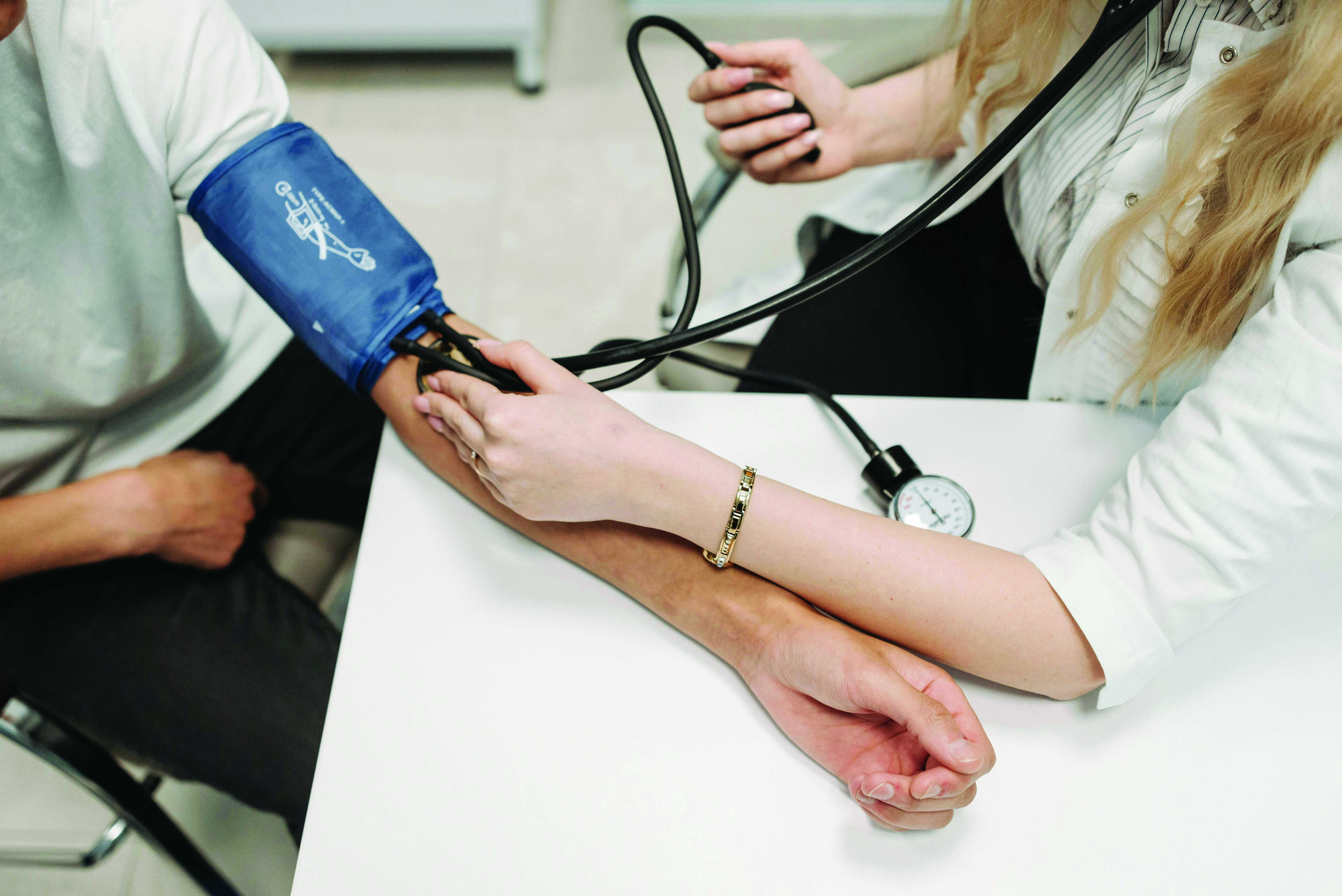
While presence of PAD could be suggested by recognized symptoms or physical examination performed by the medical professional during the office visit, it should be verified by a medical test. Often, initial testing involves a simple, cost- and time-effective study which compares the blood pressure in the ankle and arm arteries: the Ankle-Brachial Index (ABI) test. Certainly, additional studies can be performed, if necessary; however, the entire process of evaluation often relies on the high index of suspicion: one must recognize what lurks in the dark!
So, what is the perfect witches brew for warding off the evil spell of PAD? The not-so-secret step-by-step recipe follows:
Recognize your personal risk factors, pursue evaluation of worrisome symptoms.
Discuss with your Doctor possibility of having PAD (due to symptoms encountered or personal risk factors present).
Request testing, if appropriate (ABI is a good first step, if agreed upon by your Doctor).
Address your risk factors for PAD. Living healthier life will decrease risk for PAD development and its progression.
Remember, PAD is only one of the disease processes that block your arteries: this villain keeps company with others; through their malevolent actions, heart attack, stroke, or leg amputation may result.
The best talisman against this spell is: PREVENTION! Follow the healthy live-style and avoid the risk of PAD Trick or Treat.