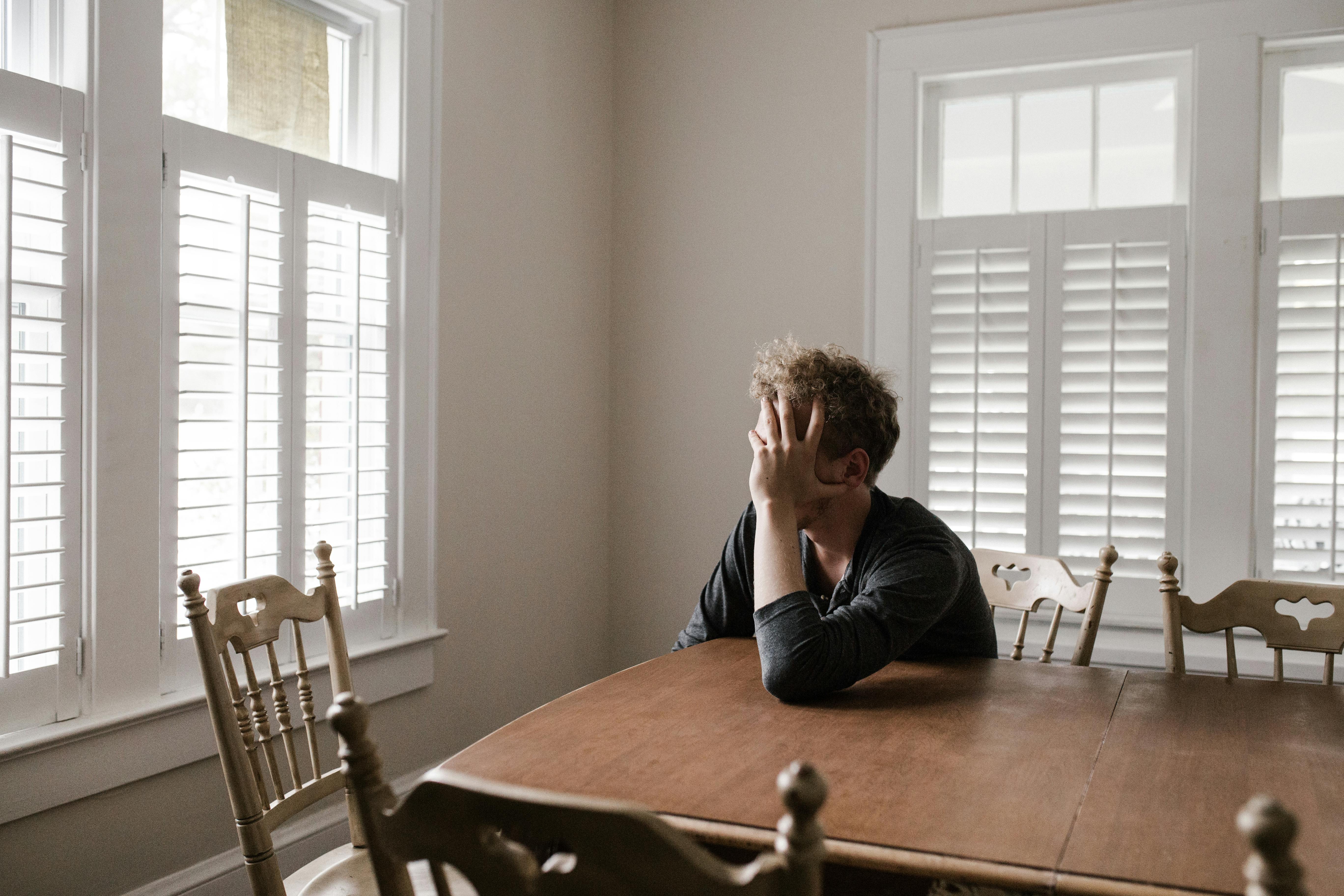
The holidays arrive wrapped in lights, music, and…expectations. We are told this is the happiest time of year—a season of joy, gratitude, and togetherness. Yet for many people, the holidays don’t feel merry at all. Instead, they bring a quiet heaviness that’s hard to explain and even harder to admit.
Holiday depression is real, and it affects people of all ages and backgrounds. It doesn’t discriminate between those with full calendars and those spending the season alone. In fact, the busier and more outwardly “cheerful” the season appears, the more isolating it can feel for someone who is struggling inside.
One reason the holidays can be difficult is the weight of expectation. Family gatherings aren’t always warm and welcoming; old tensions often resurface. Financial pressure increases as people feel obligated to give, host, travel, or entertain beyond their means. For those grieving the loss of a loved one, the holidays can amplify absence—an empty chair at the table, traditions that no longer feel the same, memories that ache instead of comfort.
There is also a physical component to holiday depression. Shorter days mean less sunlight, which can disrupt sleep patterns and mood-regulating hormones. Normal routines fall apart—late nights, heavy meals, more obligations, and less movement—all of which can affect emotional well-being. When our bodies are out of balance, our minds often follow.
What makes holiday depression especially challenging is the pressure to hide it. People feel they should be happy. They worry that acknowledging sadness makes them seem ungrateful or weak. So they smile, keep going, and hope the feelings will pass. Sometimes they do—but sometimes they don’t.
It’s important to say this clearly: struggling during the holidays does not mean something is wrong with you. It means you are human, responding to stress, loss, change, or exhaustion.
Caring for your health during this season may mean doing less, not more. It may mean setting boundaries, declining invitations, or letting go of traditions that no longer serve you. It may mean choosing quiet over chaos, rest over perfection, or connection over obligation.
Simple acts can make a meaningful difference. Getting outside during daylight hours, even briefly. Moving your body in ways that feel manageable. Eating regular meals. Limiting alcohol, which can deepen low moods. Reaching out to one trusted person and telling them honestly how you’re doing.
And if the sadness feels overwhelming, persistent, or begins to interfere with daily life, seeking help is not a failure—it’s an act of care. Talking with a healthcare provider, counselor, pastor, or trusted professional can provide support and perspective when things feel too heavy to carry alone.
The holidays don’t have to look like a postcard to be meaningful. Sometimes the greatest act of health is allowing yourself to feel what you feel, without judgment, and taking small steps to care for yourself through it. And above all, just remember that your mental and emotional well-being depends on you extending grace to yourself as well as to others.
The Pursuit of Health: Caring for Your Health When the Season Feels Heavy