
By Laura Jensen
CVT, LVT, VTS (ECC)
Summer is a favorite season for many pets, who love basking and playing in the sun—but keeping them safe in the heat is essential.
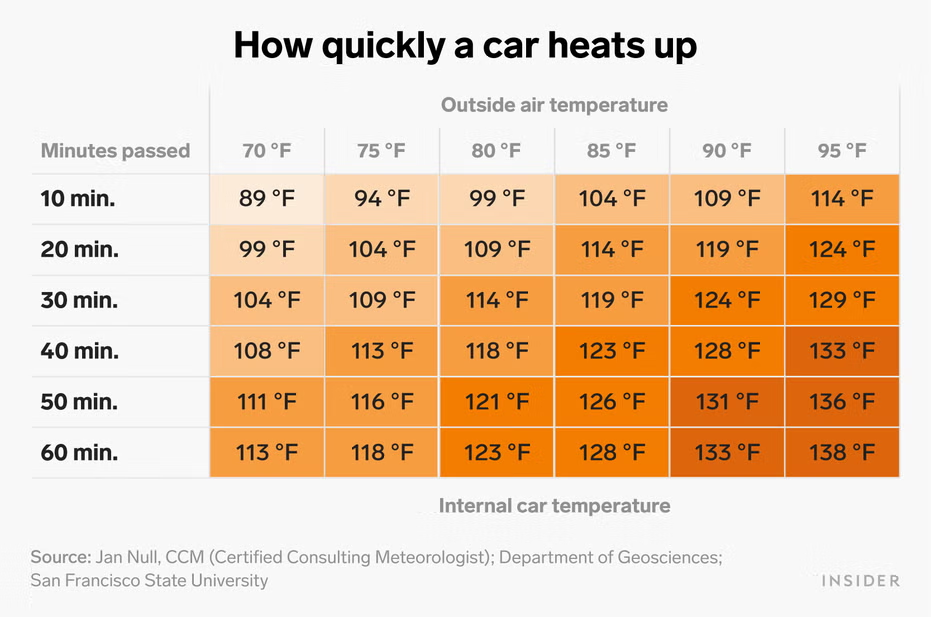
To help pets stay cool, ensure they always have access to multiple bowls of fresh, cool water, along with shade, shelter, and air conditioning or fans during hot weather for proper ventilation. Never leave a pet in a parked car, because temperatures can rise rapidly and become life-threatening for them within minutes.
Avoid walks and outdoor play during the hottest part of the day. Always test pavement before walks by placing your inner forearm on it for 15 seconds— if it’s too hot for your skin, it can burn your dog’s paws.
Some pets are at higher risk for heat stroke, including older or overweight animals, thick-coated dogs, pets with breathing difficulties, and flat-faced breeds such as pugs and Persian cats.
Heat stroke can develop gradually. Even a healthy pet may become overheated, showing signs like excessive panting or drooling, and can become dehydrated despite access to shade and water. At the first signs, offer fresh water, bring your pet indoors, and allow them to rest on a cool floor in front of a fan before resuming activity.
Escalating heat stroke symptoms may include bright red gums, vomiting, or diarrhea. If a pet is vomiting or collapsed, try to position them on their belly, head slightly down so vomit drains from the mouth instead of being inhaled, which can lead to pneumonia. As heat stroke worsens, pets may become weaker, disoriented, may have seizures, or their gums may turn pale, or white. Any of these symptoms require immediate veterinary care.
While en route to a veterinarian, gentle cooling may help. Apply cool, wet towels to your pet’s body and paws, along with a fan to support heat loss. Avoid ice baths or cold-water immersion- these can worsen symptoms by constricting blood vessels and trapping more heat in the body.
With prompt veterinary treatment, many pets recover, but delays can lead to organ damage, shock, clotting issues, or death. Most cases require hospitalization with IV fluids for rehydration, and medications to help support organ function.
By staying aware and acting quickly, pet owners can help ensure summer remains safe for every member of the family.
*This article was written by a certified veterinary technician and is intended for general educational purposes only. It is not intended to diagnose, treat, or initiate medical care, and does not replace professional veterinary advice, diagnosis, or treatment. Always consult a licensed veterinarian for any questions or concerns regarding your pet’s health, including emergencies.