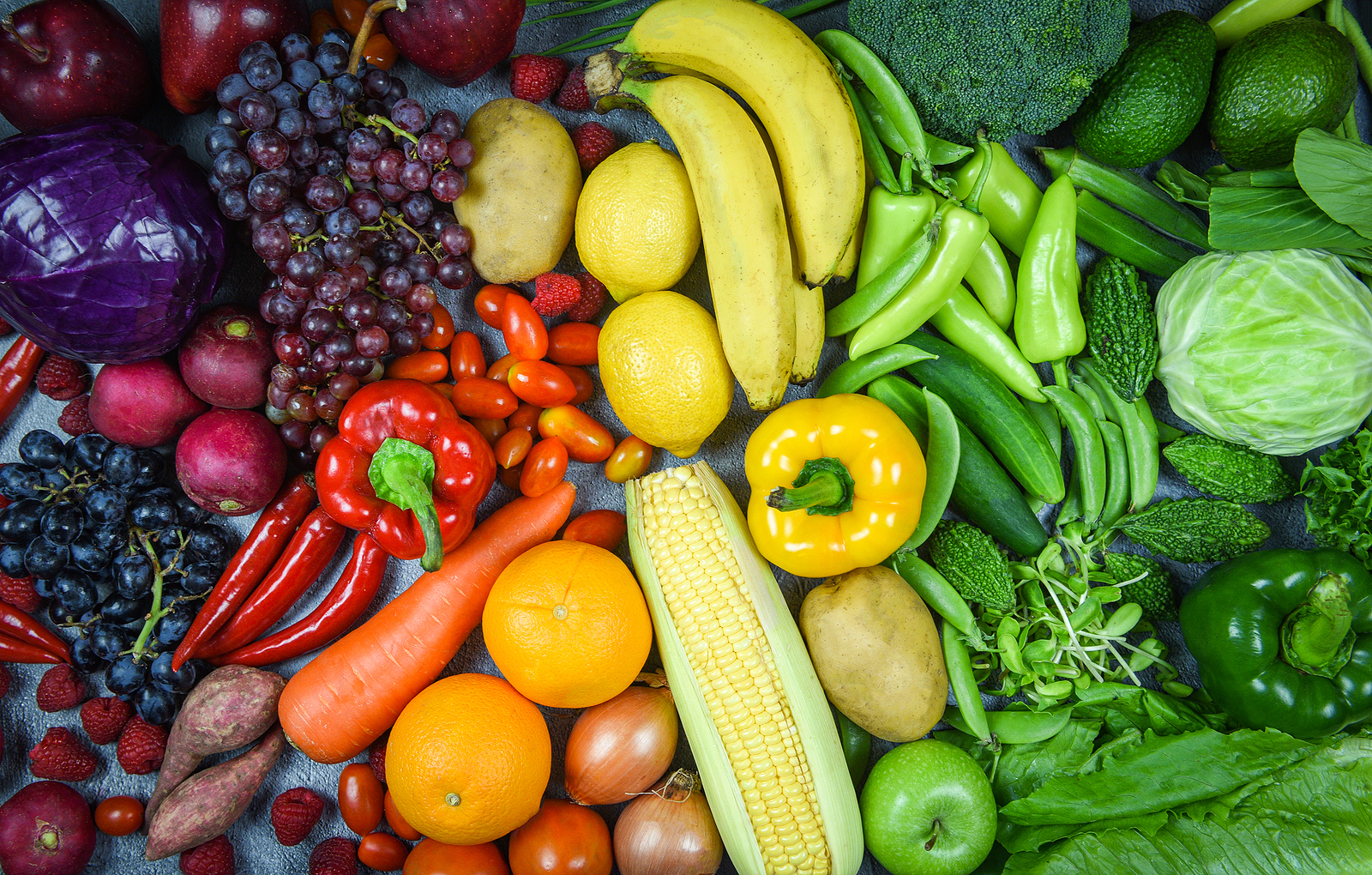
The Benefits of Eating Seasonal Foods
Aren’t we lucky to live in an area where fresh fruits and produce are plentiful? I mean, really – does it get any better than Palisade Peaches, Olathe Sweet Corn, and Rocky Ford Melons. When I close my eyes, I swear I can smell those Hatch Green Chilis roasting over an open flame.
Eating foods that are in season is not only delicious—it can also be beneficial for health. Seasonal fruits and vegetables are fresher and more flavorful because they are harvested at their natural peak. Fresh produce also tends to retain more nutrients when it has not traveled long distances before reaching the table.
Seasonal eating also supports local agriculture. Farmers markets and roadside stands offer opportunities to purchase produce grown nearby, strengthening local food systems and communities.
Different seasons bring different nutritional benefits. Summer offers berries, tomatoes, and leafy greens rich in vitamins and antioxidants. Fall harvests provide squash, pumpkins, and root vegetables packed with fiber and nutrients.
Eating seasonally can also add variety to meals. Instead of relying on the same ingredients year-round, seasonal foods encourage creativity in cooking. As a matter of fact, just tonight we enjoyed a salad that consisted of fresh crisp lettuce, salami, mozzarella pearls, peaches and toasted almonds dressed with a peach salad dressing. Yum!
Many communities throughout the heartland have strong agricultural traditions, making fresh produce accessible in ways that larger urban areas sometimes lack.
Choosing seasonal foods is a simple way to support both personal health and local farmers. Enjoy it while it lasts!
Back to Routine: Sleep and Healthy Schedules
As summer winds down and kids return to school and structured schedules, August offers a natural opportunity to reset daily routines.
One of the most important — and often overlooked — elements of health is sleep.
Adequate sleep supports memory, mood, immune function, and overall physical health. Adults generally need seven to nine hours of sleep each night, while children and teenagers often require even more.
Irregular sleep patterns during summer can make it difficult to return to consistent schedules. Gradually adjusting bedtime and wake-up times can help ease the transition.
Reducing screen time before bed, keeping bedrooms dark and cool, and maintaining consistent routines can improve sleep quality.
Daily structure also plays an important role in overall wellness. Balanced schedules that include time for work, exercise, meals, and relaxation help create stability and reduce stress.
As routines return in the fall, focusing on healthy sleep habits can make a meaningful difference in both productivity and well-being.
A good night’s sleep is not just a luxury — it is one of the most important foundations of long-term health.