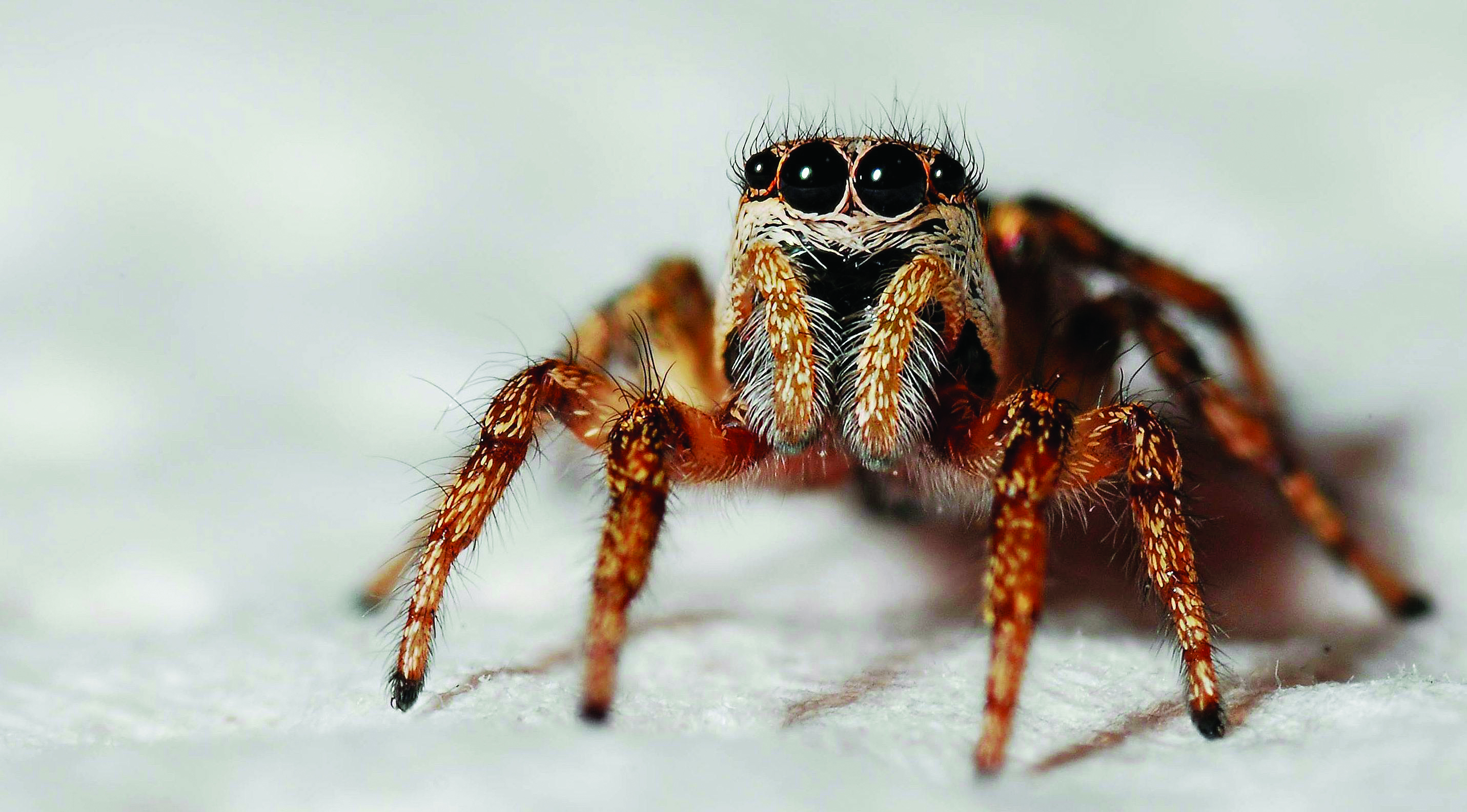
Are spider bites more prevalent in the fall? The answer is yes, they can be and there are a few reasons why:
Seasonal Behavior of Spiders
Mating Season: Many spider species become more active in late summer and fall because it’s their mating season. Males in particular tend to wander in search of females, which increases the chances of human contact.
Indoor Movement: As temperatures cool, spiders often move indoors looking for warmth and shelter. That’s why you may notice more of them in basements, garages, sheds, or even inside homes.
Human Activity
Outdoor Cleanup: Fall is a time when people rake leaves, clean gardens, and bring in firewood — all places where spiders like to hide. This increases the likelihood of accidental encounters.
Clothing and Gear: Jackets, boots, or stored items that haven’t been used since spring or summer can house spiders, leading to surprise bites when people start using them again.
Preventive Tips
Shake out shoes, gloves, and clothing before wearing.
Wear gloves when handling firewood, leaf piles, or stored boxes.
Seal cracks around windows and doors to reduce indoor entry.
Keep outdoor lighting minimal (it attracts insects, which attract spiders).
Identifying the Most Dangerous Spiders & Their Bites
- Black Widow Spider
Identification of spider: Shiny black with a distinctive red or orange hourglass shape on the underside of its abdomen.
Bite appearance:
Often looks like two small puncture marks; may initially feel like a pinprick.
Symptoms:
Severe muscle pain and cramping (spreading from bite site to abdomen, chest, or back)
Sweating
Nausea, vomiting, headache
Restlessness and high blood pressure
When to seek help: Immediately if severe pain, chest tightness, or neurological symptoms develop. - Brown Recluse Spider
Identification of spider: Light to dark brown with a violin-shaped marking on its back (though markings can vary).
Bite appearance:
May start painless or mildly irritating.
Within hours, develops into redness, swelling, and a blister.
Tissue around the bite can become necrotic (dying skin), leading to an ulcer.
Symptoms:
Severe skin damage (open sore, slow healing)
Fever, chills, rash, nausea (in systemic cases, though rare)
When to seek help: If the wound spreads, develops black/blue tissue, or systemic symptoms occur.