A short series for Veterans and families navigating the transition to civilian life
By Patty Sheats
Series Note: I hear one answer more than any other when I ask Veterans what the hardest part of service was: coming home. This three part column series is meant to name what makes reintegration so heavy, offer practical ways to rebuild stability, and clarify when extra support can make the difference.
When It’s Time to Reach for More Support
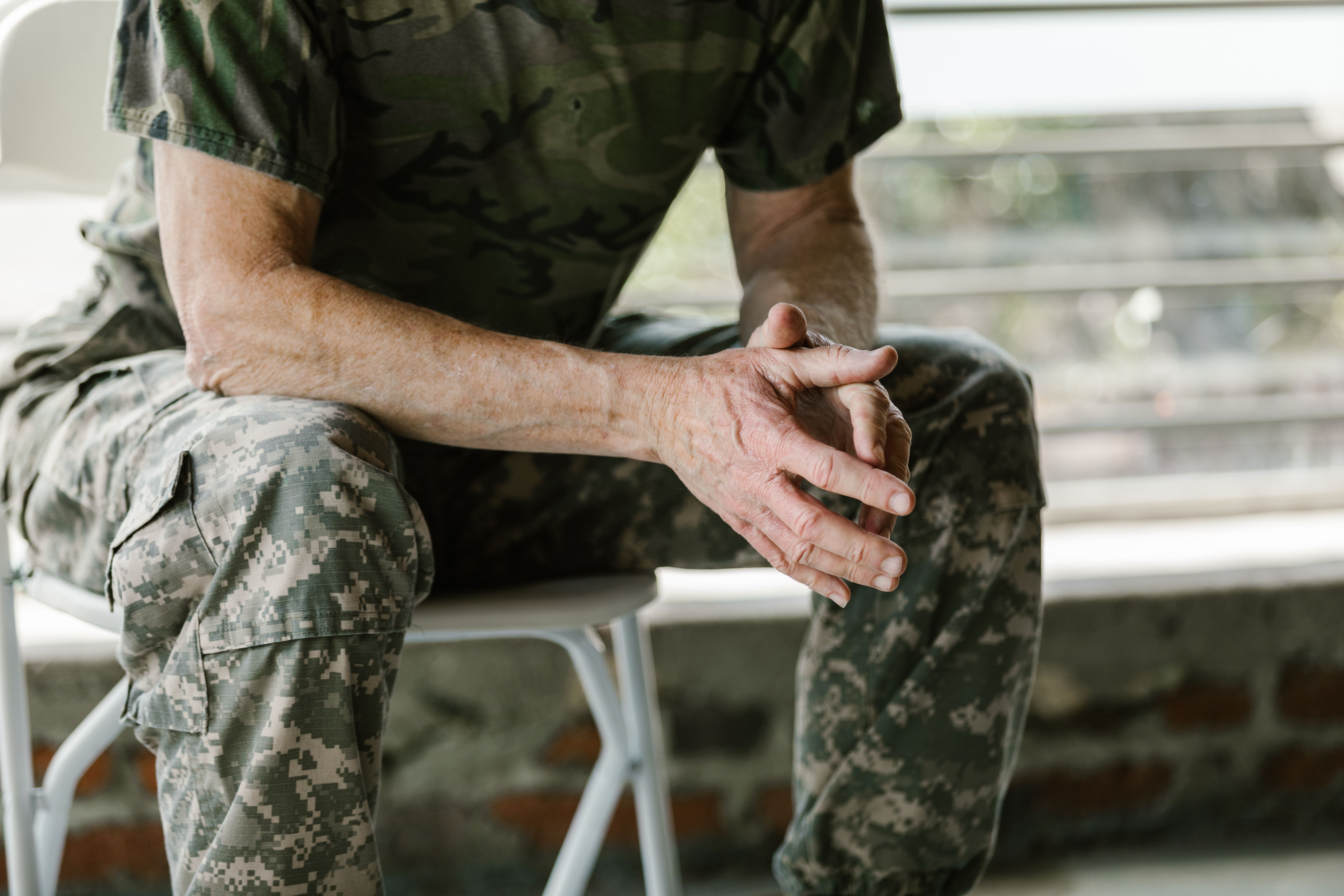
Veterans often describe the hardest part of their military service as coming home due to the psychological and emotional challenges they face. After experiencing the rigors of military life, including combat, camaraderie, and a structured environment, returning to civilian life can feel disorienting and isolating. Many veterans struggle with feelings of alienation, as it is hard to relate to friends and family who may not understand their experiences. The abrupt shift from a highly disciplined lifestyle to the perceived chaos of civilian life can lead to anxiety, depression, and even Post Traumatic Stress Disorder (PTSD). Additionally, navigating the complexities of finding employment, accessing healthcare, and rebuilding personal relationships can increase feelings of frustration and helplessness. This multifaceted transition often leaves veterans grappling with their identities and
sense of purpose, making the return home a challenging and sometimes overwhelming experience.
Transition stress is common, but there is a point where “white-knuckling it” stops being brave and starts being dangerous. I try to say this plainly because stigma thrives in vague language. If symptoms are lasting, worsening, or interfering with work, relationships, sleep, or daily routines, that is a reasonable signal to reach out. What should you watch for? Persistent isolation, escalating irritability, panic symptoms, heavy anxiety, nightmares,increasing substance use, or feeling emotionally numb for long
stretches. Families often notice these shifts first. If something feels off, trust that instinct and start a conversation that stays curious rather than accusatory. As for where to begin, you can start with a primary care provider, a VA clinic, a community mental health clinician, or a trusted Veteran peer network. If you already have a provider, say out loud that you are in a reintegration period, because context matters. And if you or someone you love feels at risk of self-harm or harming others, treat that as urgent and seek immediate help through local emergency services or an emergency room.
Reintegration is the steady work of rebuilding identity, routines, and connection. If this series has one message, it is this:
you do not have to it alone. The strongest outcomes I see come when Veterans and families treat support as part of readiness
and take the next small step, even when it feels imperfect.